

 Admin
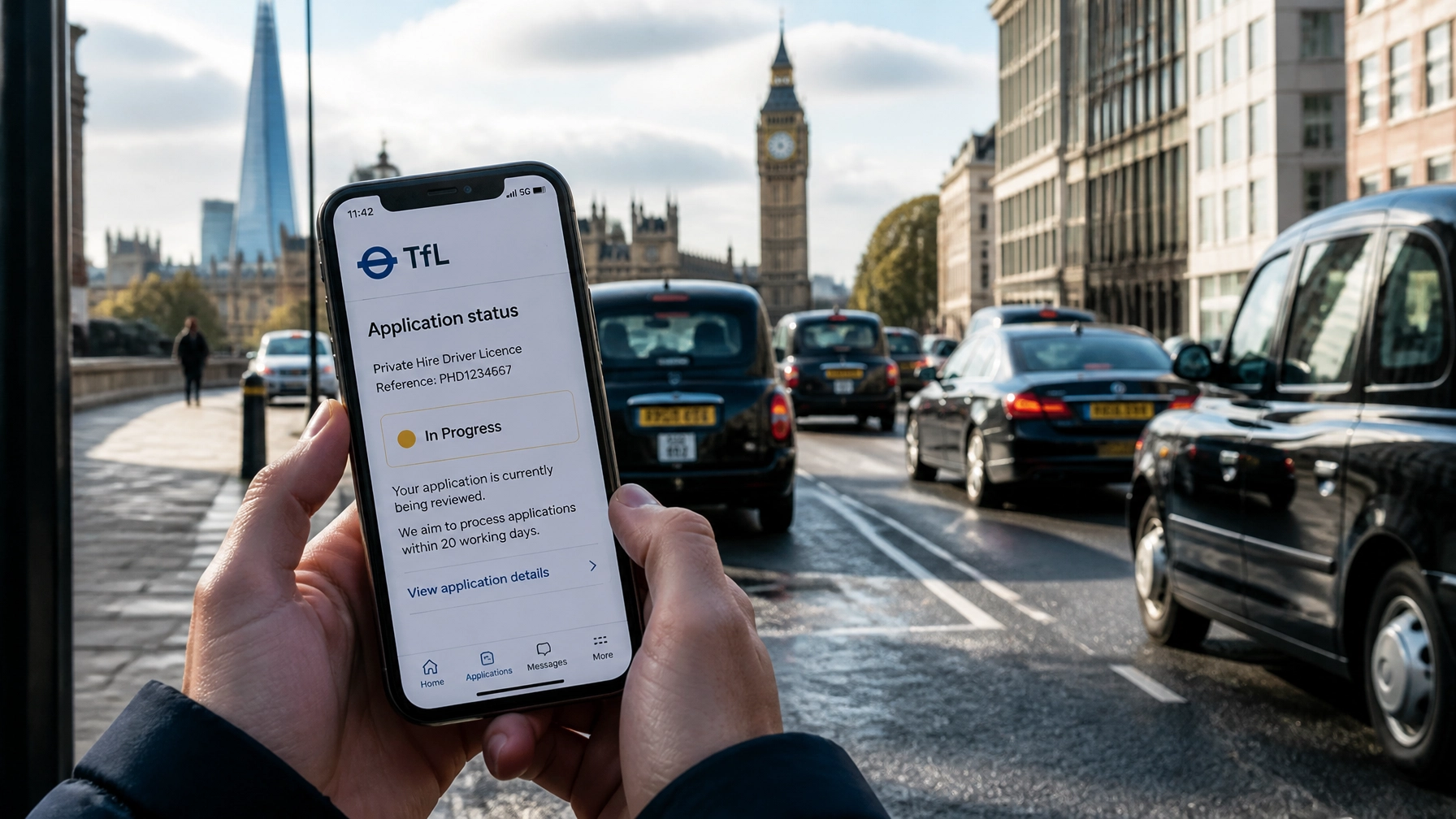
AdminIf you’ve spent any time on London’s driver forums lately, you’ve likely heard the word "backlog" more than a few times. It’s no secret that getting your PCO license in 2026 has become a test of patience as much as it is a test of skill. While Transport for London (TfL) has made massive strides in digitizing the process, thousands of applicants are still navigating a system that is still catching up from previous years.
But don’t let the wait times discourage you. At PCO GO, we help drivers navigate this exact system every single day. Being prepared is the only way to avoid unnecessary delays. If you know what to expect, you can jump the queue by getting your paperwork right the first time.
Here are 10 essential things you need to know about the 2026 TfL backlog and how to handle it.
1. The Backlog is a "New Driver" Problem
The first thing to understand is that not everyone is in the same boat. If you are an existing driver looking to renew, TfL has mostly cleared that path. In fact, most renewals are now being reviewed within 10 working days.
However, if you are a first-time applicant, you are entering a different queue. New applications are currently taking significantly longer, often several months, due to the sheer volume of people looking to join platforms like Uber and Bolt. To understand the full scope of what you're up against, check out The Ultimate Guide to the 2026 PCO License.
2. You’ll Get an "Initial Review" in 10 Days
TfL has introduced a fast-track initial check. Within about 10 days of submitting your application, a caseworker will look over your documents to ensure nothing is missing.
Insider Tip: This is not a final approval. It is simply a "gatekeeper" check. If you forget to upload a clear scan of your driving license or your medical form is incomplete, they will flag it here. If you miss this email, your application could sit idle for weeks.
3. The Topographical Test remains the Biggest Hurdle
Even if your application is "pending," you cannot move forward without passing your assessments. The Topographical Test is where most people get stuck. Because of the backlog, booking slots can be competitive, and the exam itself is notoriously difficult.

If you fail this test, you go back to the bottom of the waiting list for a re-sit. This can add 2–3 months to your total wait time. We highly recommend reading our guide on How to Pass the PCO Topographical Test on Your First Try and studying The Ultimate Guide to the PCO Topographical Test to ensure you don’t become a statistic.
4. The SERU Assessment is Not "Common Sense"
Many drivers assume the Safety, Equality, and Regulatory Understanding (SERU) test is just a simple multiple-choice quiz. In 2026, the rules have tightened, and many applicants are being caught off guard by the technicality of the questions.

Failure to prepare for the SERU assessment is one of the fastest ways to get your application rejected. Are you worried about the technical jargon? You aren't alone. Take a look at these 7 Mistakes You're Making with Your SERU Test Prep and see if you are falling into the same traps. For those looking for an edge, we’ve also released a post on SERU Test Secrets Revealed.
5. Licensing Fees Have Changed
If you are looking at old blog posts from 2023 or 2024, your budget is going to be wrong. TfL adjusted their fees for 2026 to help cover the costs of clearing the backlog. Between the application fee, the grant fee, and the mandatory assessments, you should expect to spend between £650 and £870 in your first year.
For a full breakdown of where every penny goes, read PCO Training London: 2026 Fee Changes Explained. Knowing the costs upfront prevents "sticker shock" halfway through the process.
6. Your DBS and Medical Have an Expiry Date
This is a "Catch-22" of the backlog. Your Enhanced DBS check and your D4 Medical are only valid for a certain period. If the TfL backlog takes too long and your documents expire while they are still "processing" your application, you may be asked to do them (and pay for them) all over again.
Our Advice: Do not start your medical or DBS until you are ready to submit the full application immediately. Every day you wait to submit is a day wasted on those certificates.
7. Goodwill Payments Exist (But Don't Count on Them)
In late 2025 and early 2026, TfL introduced a "goodwill payment" scheme for drivers who suffered extreme delays. Some drivers received up to £500 if they were left without a license for more than a week due to TfL's administrative errors.
While this sounds great, it’s only for specific cases of extreme negligence. It is much better to have your license in your hand and be out on the road earning money than waiting for a small compensation cheque.
8. Use the Wait Time to Plan Your Earnings
While you wait for the backlog to clear, you should be doing your homework on the London market. The landscape for private hire changed significantly in 2026 with new ULEZ requirements and VAT changes.
If you want to know what you’ll actually take home once you start, check out our report on London PCO Driver Earnings 2026: What New Drivers Are Really Making. It will help you decide which platform is right for you while your application is in the queue.
9. You Can Often Book Tests Early
TfL has stated that they currently have "sufficient assessment capacity." This means that even if your background checks are stuck in a backlog, you can often book your Topographical and SERU exams at a convenient time.

Don't wait for a caseworker to tell you to book your test. Proactivity is key. However, don't book until you are confident you can pass. Many drivers rush to book a slot, fail because they didn't study, and then end up even further back in the queue. Check out our list of Common SERU Test Mistakes to make sure you're ready before you book.
10. Professional Training Centers Are Your Best Shortcut
The number one reason applications get stuck in the backlog isn't actually TfL, it’s errors made by the applicant. Whether it's a poorly drawn route on a mock map or a misunderstood question on the SERU test, mistakes cause delays.

By coming to a center like PCO GO, you are ensuring that your application is "bulletproof." We provide the software, the mock exams, and the expert guidance to make sure you only have to do this once.
Summary Table: 2026 PCO Timeline & Costs
| Stage | Expected Wait Time | Estimated Cost |
|---|---|---|
| Initial TfL Review | 10 Working Days | Included in Application |
| DBS & Medical | 1–3 Weeks | £90 – £190 |
| Assessments (SERU/Topog) | 2–6 Weeks (Booking) | £150 – £200 |
| Final License Grant | 2–4 Months (New) | £196 |
Frequently Asked Questions (FAQ)
Q: Can I drive while my application is in the backlog?
No. You cannot drive for a private hire platform in London until you have your physical PCO license in your hand.
Q: Why is my application taking longer than my friend's?
TfL processes applications in a "strict date order" based on when the final assessment results are issued. If your friend passed their Topographical test before you, they will likely get their license first, even if you applied on the same day.
Q: How can I check my status?
You should use the TfL Licensing Portal. Log in regularly to check for any messages or requests for further information.
Q: What if I fail one of the tests?
You will be allowed to re-sit, but this will move you further down the backlog queue. This is why preparation is so essential in 2026.
Ready to beat the backlog?
Don't leave your career to chance. At PCO GO, we offer topographical map training, SERU prep, and full application support to help you get through the TfL process as fast as humanly possible.
[Contact PCO GO today and let’s get you on the road!]