
 Admin
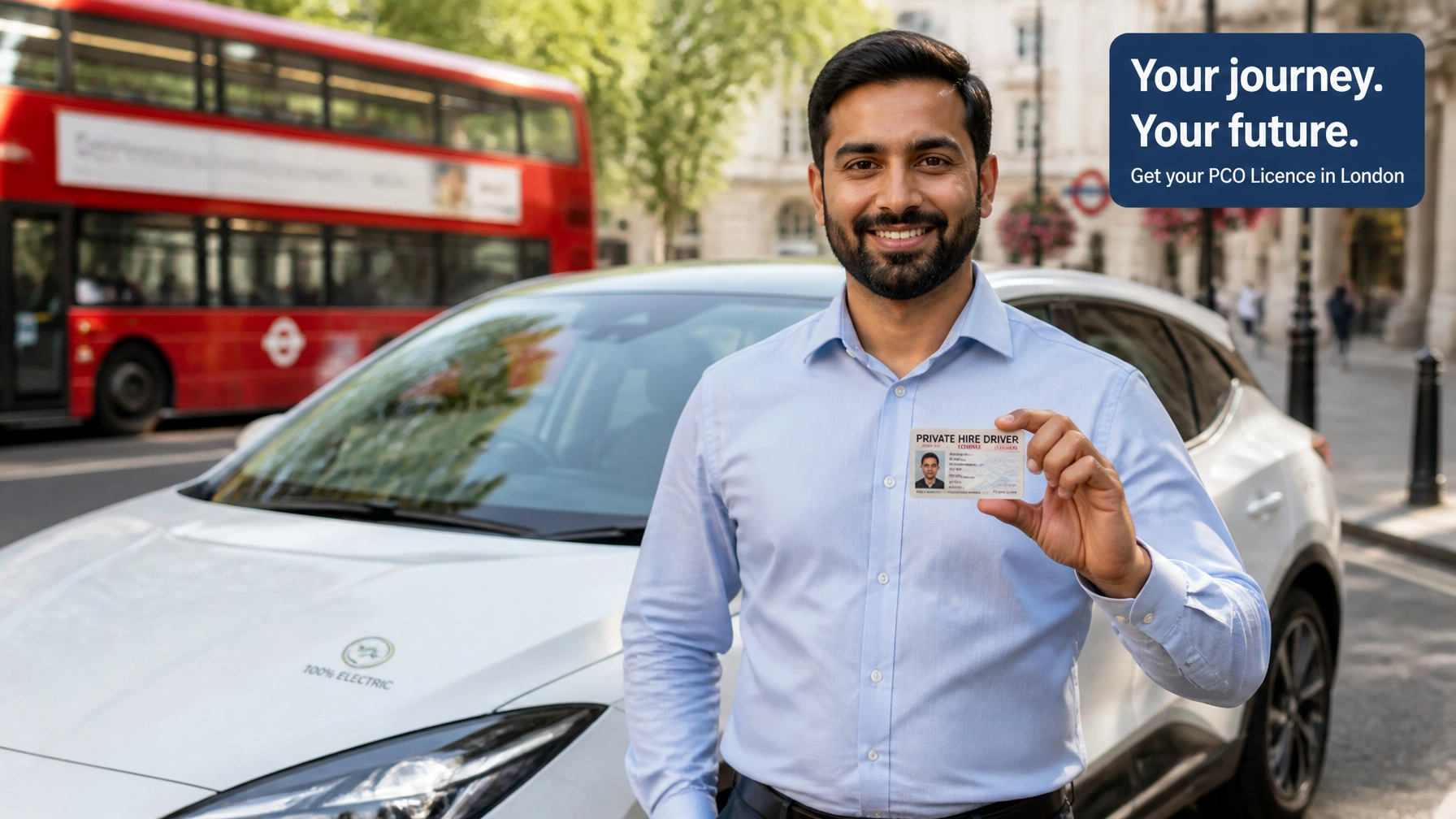
AdminStarting a career as a private hire driver in London is one of the most popular ways to gain financial independence and flexible working hours. Whether you want to drive for Uber, Bolt, or a local minicab firm, the first step is securing your TfL Private Hire Driver Licence, commonly known as a PCO licence.
However, with new regulations introduced this year, the process can feel overwhelming. From navigating the 2026 TfL backlog to mastering the SERU assessment, there are several hurdles to clear.
In this guide, we will walk you through the entire process step-by-step, ensuring you have everything you need to get on the road quickly and confidently. At PCO GO, we’ve helped thousands of drivers navigate this journey, and we’re here to help you too.
Step 1: Check Your Eligibility
Before you spend a penny on fees, you must ensure you meet Transport for London’s (TfL) strict criteria. For 2026, the core requirements are:
- Age: You must be at least 21 years old. There is no upper age limit.
- Driving Experience: You must have held a full DVLA, Northern Ireland, or EEA state driving licence for at least three years.
- Right to Work: You must have the legal right to live and work in the UK.
- Character and Fitness: You must be of "good character," which is verified through an Enhanced DBS check.
If you’re unsure about your status, checking out The Ultimate Guide to the 2026 PCO License is a great place to start for a deep dive into the specifics.
Step 2: The Enhanced DBS Check
Your "good character" is assessed via an Enhanced Disclosure and Barring Service (DBS) check. This is more thorough than a standard background check and looks for any relevant criminal history or driving offences.
Insider Tip: You must apply for your DBS through TfL's approved provider, FirstAdvantage. Do not use a generic DBS service, as TfL will not accept it. We recommend signing up for the DBS Update Service for £13/year; it keeps your certificate current and prevents you from having to pay for a full new check every time you renew your licence.
Step 3: Complete Your Medical Fitness (Group 2)
To ensure safety on London’s busy streets, all drivers must meet the DVLA Group 2 medical standard, the same high standard required for bus and lorry drivers.

You will need to have a TPH204 medical form completed by a doctor. While you can go to your regular GP, many drivers find it faster and cheaper to use specialized driver medical providers. The doctor will check your vision, blood pressure, and general health history.
Step 4: Submit Your TfL Application
Once you have your DBS and medical sorted, it’s time to register with TfL and submit your application online.
Current 2026 Costs:
The financial side of things has changed recently. For a detailed breakdown of what you'll be paying, read our guide on PCO Training London: 2026 Fee Changes Explained.
Typically, you will pay:
- Application Fee: Approx. £124 (non-refundable).
- Grant of Licence Fee: Approx. £186 (payable once you pass your tests).
Frequent Flyer Tip: Ensure all your documents (Passport, Proof of Address, Photos) are high-quality scans. Small errors in your address or blurry photos are the leading causes of delays in the 2026 TfL Backlog.
Step 5: Master the Mandatory Assessments
This is where many applicants feel the most pressure. TfL requires you to pass three distinct assessments:
1. The Topographical Skills Test
This tests your ability to navigate London using an A-Z Master Atlas. It involves planning routes between points and identifying locations on a map. Because this test is computer-based, practicing with the right software is essential.

At PCO GO, we offer hands-on training for just £99. If you want to avoid the stress of a retake, check out our expert advice on How to Pass the PCO Topographical Test on Your First Try.
2. The SERU Assessment
SERU stands for Safety, Equality and Regulatory Understanding. It’s a computer-based test that ensures you understand your responsibilities as a driver, including safeguarding, passenger safety, and TfL rules.
Many drivers struggle here because they underestimate the complexity of the questions. To avoid falling into common traps, read our post on Common SERU Test Mistakes and find out how the 2026 rules can work in your favor in SERU Test Secrets Revealed.
3. English Language Requirement
You must demonstrate that you can communicate effectively in English. This is usually assessed alongside the SERU test through a speaking and listening evaluation at a TfL centre.

Step 6: Receiving Your Licence and Starting Work
After passing your assessments and paying the final grant fee, TfL will issue your three-year PCO licence. Once it arrives, the world of London private hire is open to you!
Most drivers head straight to platforms like Uber or Bolt. However, keep in mind that vehicle requirements are changing. For example, Uber Just Ended Its 7-Year EV Funding Scheme, meaning you need to be strategic about the car you choose. Driving an electric vehicle (EV) is now almost essential to maximize your London PCO Driver Earnings 2026 and follow the 5 Steps How to Save on the 2026 Congestion Charge.

Summary Checklist for 2026 Applicants
- Verify you are 21+ and have 3 years of driving experience.
- Book your Enhanced DBS via FirstAdvantage.
- Schedule your Group 2 Medical.
- Submit your TfL application online.
- Train with PCO GO for your Topographical and SERU tests.
- Pass your TfL assessments.
- Pay the grant fee and start driving!
Frequently Asked Questions
How long does the PCO licence application take in 2026?
Due to current demand, the process usually takes between 10 to 16 weeks. Starting your DBS and Medical early can help speed this up significantly.
How much does a PCO licence cost in total?
Including TfL fees, DBS, medical, and basic training, you should budget approximately £500–£700.
Is the Topographical test difficult?
It can be if you haven't practiced with the computer software TfL uses. Most people who fail do so because they aren't familiar with "route planning" on a screen. That’s why we offer real exam mocks at our London centre.
Can I drive for Uber immediately after getting my licence?
Yes, once you have your paper licence and your vehicle meets Uber’s requirements, you can upload your documents to the Uber app and start working almost immediately.
Ready to start your journey?
Don't navigate the complex TfL requirements alone. At PCO GO, we offer complete support, from map training to application assistance. [Book your training session today] and let’s get you on the road!