
 Admin
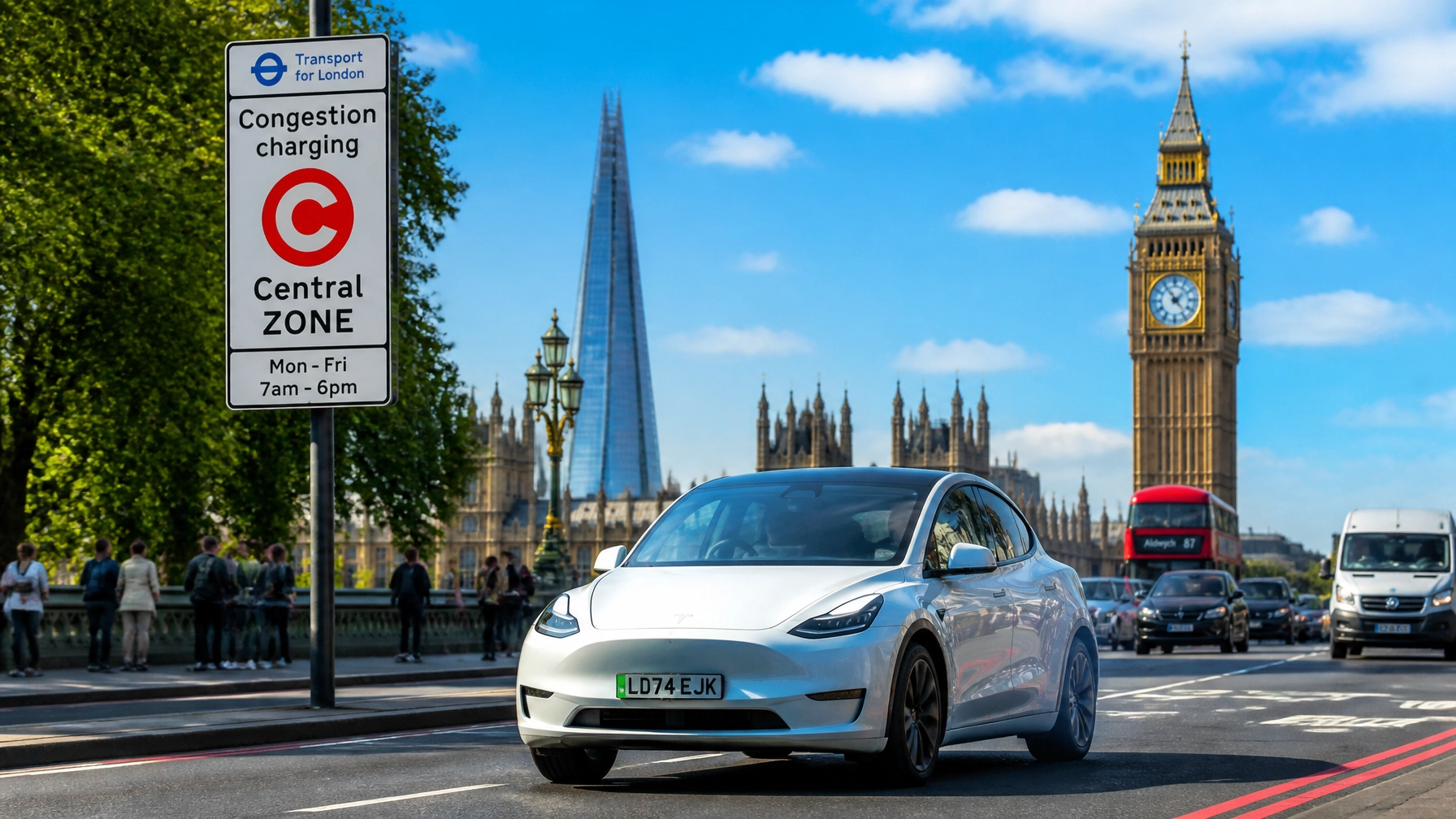
AdminIf you are a PCO driver in London, 2026 is bringing some of the biggest changes we’ve seen in years. For a long time, the "golden ticket" for avoiding the London Congestion Charge was driving an electric vehicle (EV). But as of January 2, 2026, the rules have officially shifted. The 100% "Cleaner Vehicle Discount" has been phased out, and almost every Private Hire Vehicle (PHV) entering Central London now has to pay.
At PCO GO, we know that an extra £18 a day can be the difference between a profitable shift and just breaking even. We help drivers every day with their PCO license applications and topographical training, so we’ve put together this expert guide to help you keep more of your hard-earned money.
Here are the 5 practical steps you can take to save on the 2026 Congestion Charge and keep your business running smoothly.
1. Upgrade to a Pure Electric Vehicle (EV)
Even though the 100% exemption ended in late 2025, driving an EV is still the single best way to save on the Congestion Charge in 2026.
From January 2, 2026, the standard Congestion Charge is £18 per day. However, if you drive a pure electric car and are registered for Auto Pay, you qualify for a 25% discount, bringing your daily cost down to £13.50.
- The Catch: This discount only applies to pure electric vehicles. If you are driving a plug-in hybrid (PHEV) or a standard hybrid (like an older Toyota Prius), you will be required to pay the full £18 daily rate.
- Insider Tip: If you are planning to renew your car this year, check out our ultimate guide to the 2026 PCO license to see which vehicles are currently most cost-effective for London drivers.
2. Set Up TfL Auto Pay Immediately

If you haven’t set up Auto Pay yet, you are essentially throwing money away. Auto Pay is a system where Transport for London (TfL) automatically bills your registered card whenever you enter the zone.
Why it saves you money:
- Late Fees: If you forget to pay the charge by midnight on the third day after travel, the price jumps from £18 to £21. If you forget entirely, you’ll be hit with a Penalty Charge Notice (PCN) of £180 (reduced to £90 if paid within 14 days).
- The EV Discount: As mentioned above, the 25% discount for EVs is only available if you are registered for Auto Pay. Without it, you pay the full £18 regardless of what car you drive.
- Peace of Mind: You never have to worry about checking your calendar or remembering which days you crossed the boundary.
How to do it: Simply visit the TfL website, create an account, and add your vehicle details and a payment method. There is usually a small annual registration fee per vehicle, but it pays for itself in just one or two avoided "late payment" fees.
3. Master the "Clock" and Shift Your Hours
The Congestion Charge doesn't apply 24/7. One of the easiest ways to "save" 100% of the charge is to work outside of the charging hours.
The 2026 Charging Hours are:
- Monday to Friday: 7:00 am – 6:00 pm
- Saturday, Sunday, and Bank Holidays: 12:00 pm – 6:00 pm
If you start your shift early in the morning and finish by midday on a weekend, or if you prefer working the night shift (6:01 pm onwards), you can drive through the heart of the West End without paying a penny in Congestion Charges.
Strategic Tip: Many drivers find that the "dinner rush" from 6:00 pm to 10:00 pm is highly profitable. Not only is the Congestion Charge gone, but the demand for Uber and Bolt rides remains high as people head out for the evening.
4. Use Your Topographical Skills to Bypass the Zone

London’s Congestion Charge Zone (CCZ) is relatively small compared to the size of the whole city. If you have a passenger who is heading from South London to North London, you don't always need to go through the centre.
By using your topographical knowledge, you can plan routes that skirt the edges of the zone. For example, using the Inner Ring Road allows you to navigate around the zone without entering it.
Avoid the "Boundary Trap":
Be careful when using standard GPS apps like Google Maps. They often prioritise the fastest route, which might take you 200 yards into the zone just to save 2 minutes of traffic. For a PCO driver, that 2-minute "shortcut" just cost you £18.
- How we can help: At PCO GO, our topographical map training doesn't just help you pass an exam; it teaches you the real-world geography of London. Understanding where the CCZ boundaries start and end is a vital skill for any professional driver.
5. Claim Every Penny Back as a Business Expense
While you can’t "avoid" paying the charge if you enter the zone, you can significantly reduce the impact on your bank account by claiming it as a tax-deductible business expense.
The UK government allows PCO drivers to deduct the cost of the Congestion Charge from their total income before tax is calculated.
- Example: If you pay £2,000 in Congestion Charges over the year and you are in the 20% tax bracket, claiming this expense effectively saves you £400 in tax that you would have otherwise paid.
Actionable Advice: Keep a digital log of all your TfL Auto Pay receipts. Most accounting apps (like QuickBooks or Xero) can link directly to your bank account to track these automatically. Never pay for the charge with a personal account if you can avoid it; keep your business finances separate to make your end-of-year tax return a breeze.
Why Professional Training Matters in 2026
With the removal of the EV exemption and the tightening of TfL regulations, being a "casual" driver is getting harder. To make a good living, you need to be a professional.
This starts with getting your license correctly the first time. At PCO GO, we provide:
- Computer-Based Training: Master the topographical test using the same software TfL uses.
- SERU Prep: Don't let the SERU assessment catch you out; our trainers walk you through the safety and regulatory requirements.
- Expert Advice: From medicals to DBS checks, we handle the boring paperwork so you can get on the road faster.
Frequent Flyer Tips for the CCZ
- The Christmas Break: Remember there is no Congestion Charge between Christmas Day and the New Year’s Day bank holiday. This is a great time to work long hours in Central London for free!
- Blue Badge: If you (the driver) hold a Blue Badge, you can apply for a 100% discount on the Congestion Charge, even for a PHV.
- 9+ Seats: If you drive a larger vehicle with 9 or more seats, you may be eligible for a different discount category. Check your V5C logbook to see how your vehicle is classified.
Frequently Asked Questions (FAQ)
Do Uber and Bolt pay the Congestion Charge for me?
No. While some platforms may add a small "surcharge" to the passenger's fare when they enter the zone, this is rarely enough to cover the full daily cost. Ultimately, the driver is responsible for ensuring the charge is paid.
What happens if I drive an EV but don't register for Auto Pay?
From 2026, you will be charged the full £18 per day. You must be registered for Auto Pay to receive the discounted £13.50 rate for electric vehicles.
Is the ULEZ the same as the Congestion Charge?
No. The Ultra Low Emission Zone (ULEZ) is a separate charge that operates 24 hours a day, 365 days a year across all London boroughs. However, most PCO-licensed vehicles already meet ULEZ standards, so most drivers only need to worry about the Congestion Charge.
Can I appeal a Congestion Charge PCN?
Yes, but only if there was a genuine error (e.g., your vehicle was cloned, or you had already paid). "I forgot to pay" is unfortunately not a valid reason for an appeal. This is why Auto Pay is so important!
Will the Congestion Charge price go up again?
TfL reviews prices annually. While the standard rate is currently £18 for 2026, it is always wise to keep an eye on official TfL announcements or follow the PCO GO blog for the latest updates.
Ready to start your journey as a London PHV driver?
Don't let the rules and regulations overwhelm you. Whether you need help passing your topographical exam or navigating the latest TfL changes, the team at PCO GO is here to help.